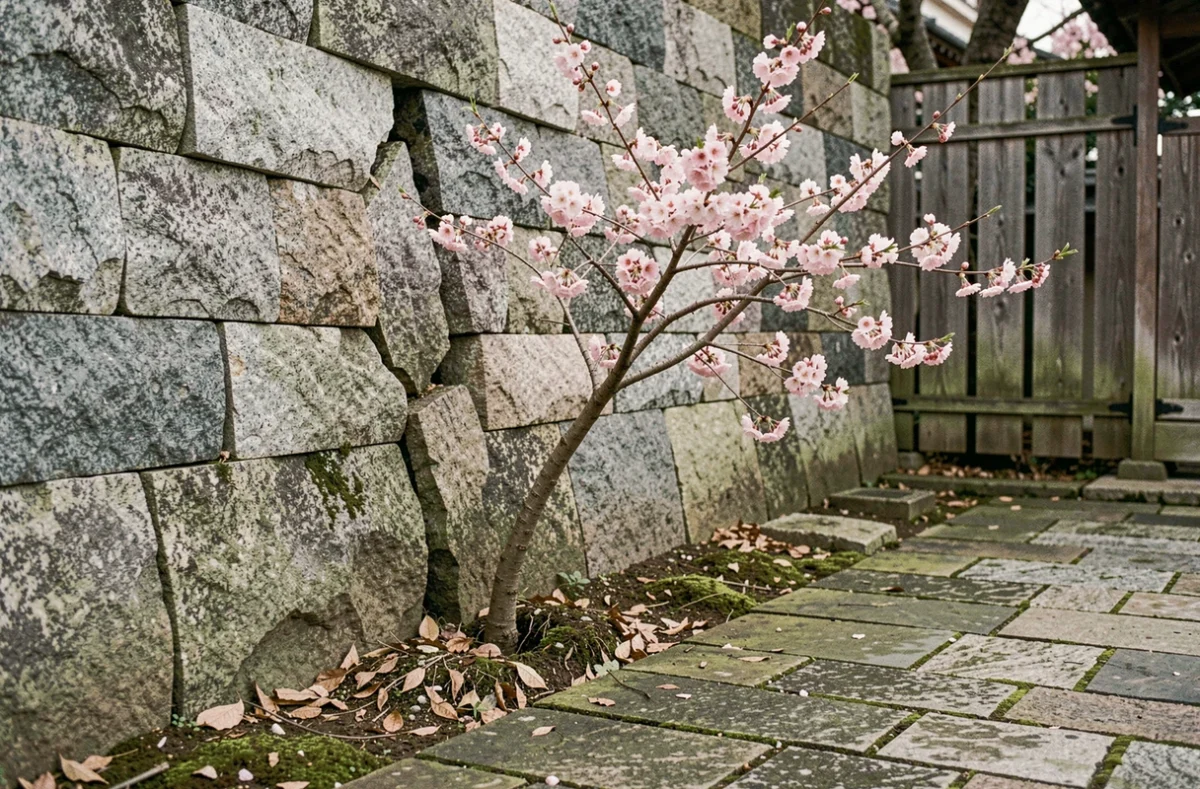
The lotus, kintsugi, and semicolon: three symbols constantly associated with resilience, but rarely analyzed beyond their decorative value. Each carries a precise genealogy, conditions of use, and limits of interpretation that popularization almost systematically erases.
Kintsugi: a craft process before being a metaphor for resilience
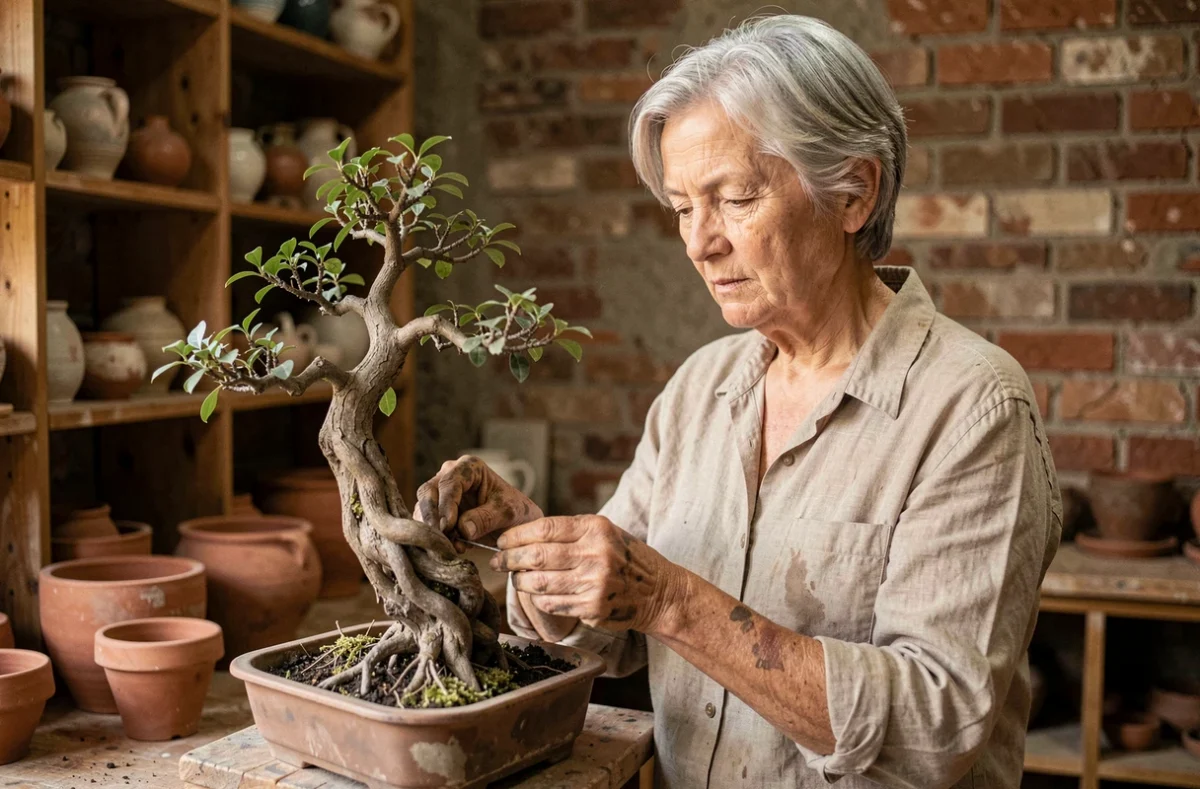
Kintsugi relies on a ceramic repair technique using urushi lacquer mixed with gold powder. The technical gesture involves assembling broken fragments while making the cracks visible, even ostentatious. It is a process that takes several weeks, sometimes months, depending on the number of fragments and the complexity of the piece.
This material dimension changes the meaning of the symbol. Kintsugi does not say that suffering makes one more beautiful. It says that a break can be integrated into the history of an object without being concealed. The nuance matters: repair does not erase the mark; it makes it legible.
Popular interpretations tend to transform this technique into a narrative of personal overcoming, imposing the idea that every trial must be sublimated. A more rigorous use of the symbol speaks of continuity and accepted traces, without an injunction to transcendence. Among the most documented examples of resilience symbols, kintsugi is the one whose artisanal grounding offers the most concrete reading.
Lotus and resilience: religious meanings versus decorative use
The lotus is probably the most tattooed motif in the world under the label of resilience. Its growth from the mud to the water’s surface makes it an intuitive image of perseverance. The problem begins when its original meanings are ignored.
In Buddhism, the lotus represents spiritual awakening and the purity of the mind in the face of the impurities of the material world. In Hinduism, it is associated with several deities (Lakshmi, Vishnu) and carries a sacred weight. Reducing the lotus to a symbol of mental strength erases its religious context.
This does not disqualify its contemporary use, but it imposes an honest reading. When a person chooses a lotus as a symbol of personal resilience, they engage in a cultural reappropriation that has its own rules. A tattoo or piece of jewelry does not carry the same weight as a representation in a Khmer temple.
Flowers associated with resilience beyond the lotus
Other plants embody survival with a less religiously charged symbolic history:
- The iris, which grows in difficult soils and withstands harsh climatic conditions, carries in Greek tradition a link with the messenger of the gods, but without exclusive sacred weight.
- The thistle, Scotland’s national symbol, represents resistance against the invader and the ability to thrive in hostile terrains.
- Bamboo, often cited in East Asia for its flexibility in the wind, illustrates resilience through adaptation rather than rigidity.
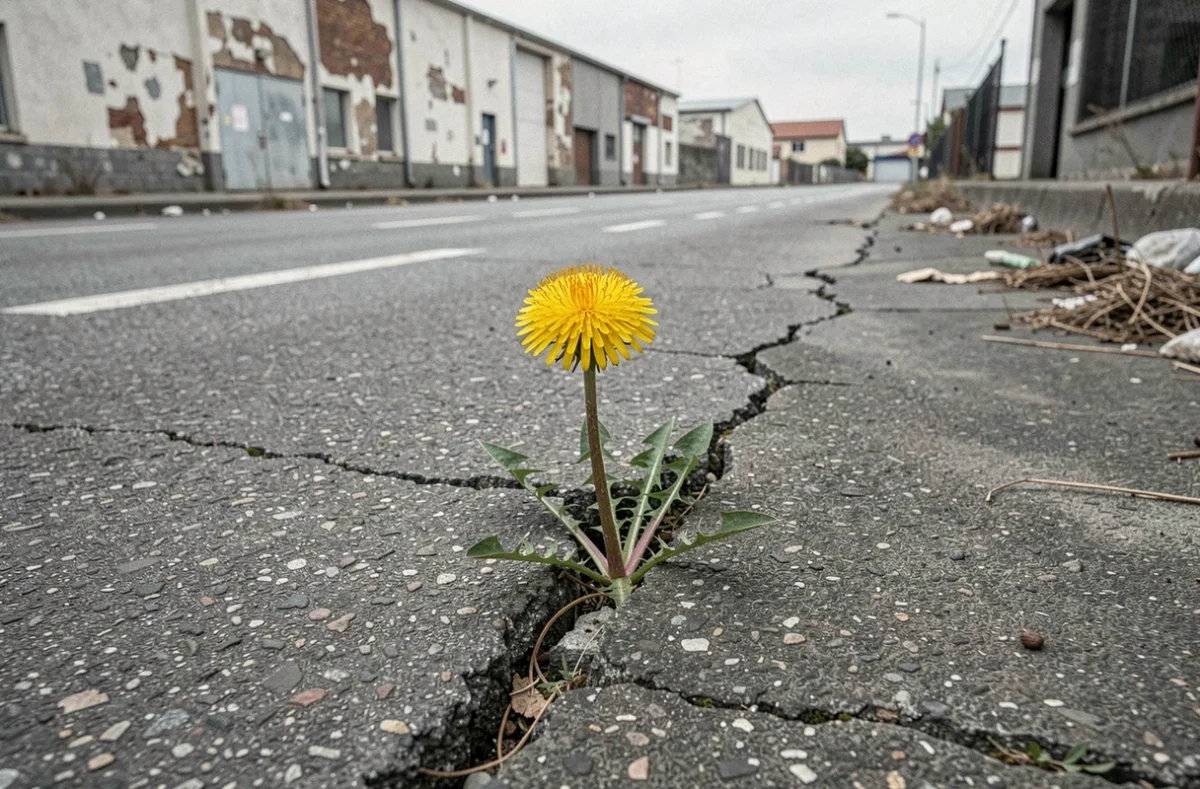
Each of these motifs conveys a different type of resilience. Bamboo bends without breaking, thistle repels aggression, iris traverses inhospitable soils. The choice of symbol reflects both the nature of the trial and the way to respond to it.
Semicolon and Project Semicolon: a militant symbol of mental health
The tattooed semicolon is not a generic motif of hope. It is directly linked to Project Semicolon, a movement launched by Amy Bleuel in 2013 focused on raising awareness about suicide, self-harm, and mental health issues.
The grammar of the symbol is precise: a semicolon marks the place where an author could have ended their sentence but chose to continue. Transposed to life, it means that the story is not over. It is neither a vague metaphor nor an ornament; it is a rallying sign with a documented militant origin.
This specificity raises a question of use. Wearing a semicolon without knowing about Project Semicolon is using a collective emblem as a personal motif. The approach is not forbidden, but knowledge of the context enriches the gesture and prevents it from being trivialized.
Animal symbols of resilience: phoenix, koi carp, and beyond
The symbolic bestiary of resilience focuses on a few recurring figures. The phoenix, a mythological bird that rises from its ashes, remains the most explicit. Its presence spans Greek, Egyptian, and Chinese cultures with variations (Fenghuang, Bennu), but the symbolic mechanism remains the same: total destruction followed by a new beginning.
The Japanese koi carp illustrates another register. According to legend, the carp that swim upstream in the Yellow River to the Dragon Gate transform into dragons. The koi carp symbolizes perseverance against the current, not rebirth after destruction. The distinction is significant for those who choose a motif with awareness.
- The phoenix conveys resilience through rebirth after a complete collapse.
- The koi carp embodies continuous effort against an adverse environment.
- The lion, in African and European traditions, represents courage in the face of direct threat.
- The bear, in Norse and Native American mythologies, symbolizes inner strength and the ability to hibernate, a form of strategic withdrawal before returning.
The choice between these figures is not interchangeable. Each animal carries a specific narrative of resilience, and confusing rebirth, endurance, and courage flattens distinct concepts.
Symbols of resilience gain power when we respect their genealogy. A kintsugi without urushi lacquer is a pretty image. A semicolon without Amy Bleuel is a punctuation mark. A lotus without its Buddhist roots is just a flower. Knowledge of the original context does not limit the personal use of these motifs; it provides a foundation that mere aesthetics cannot offer.