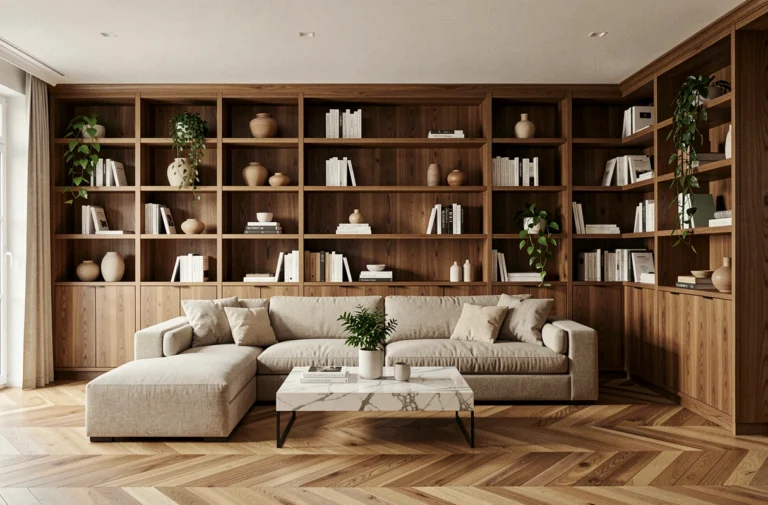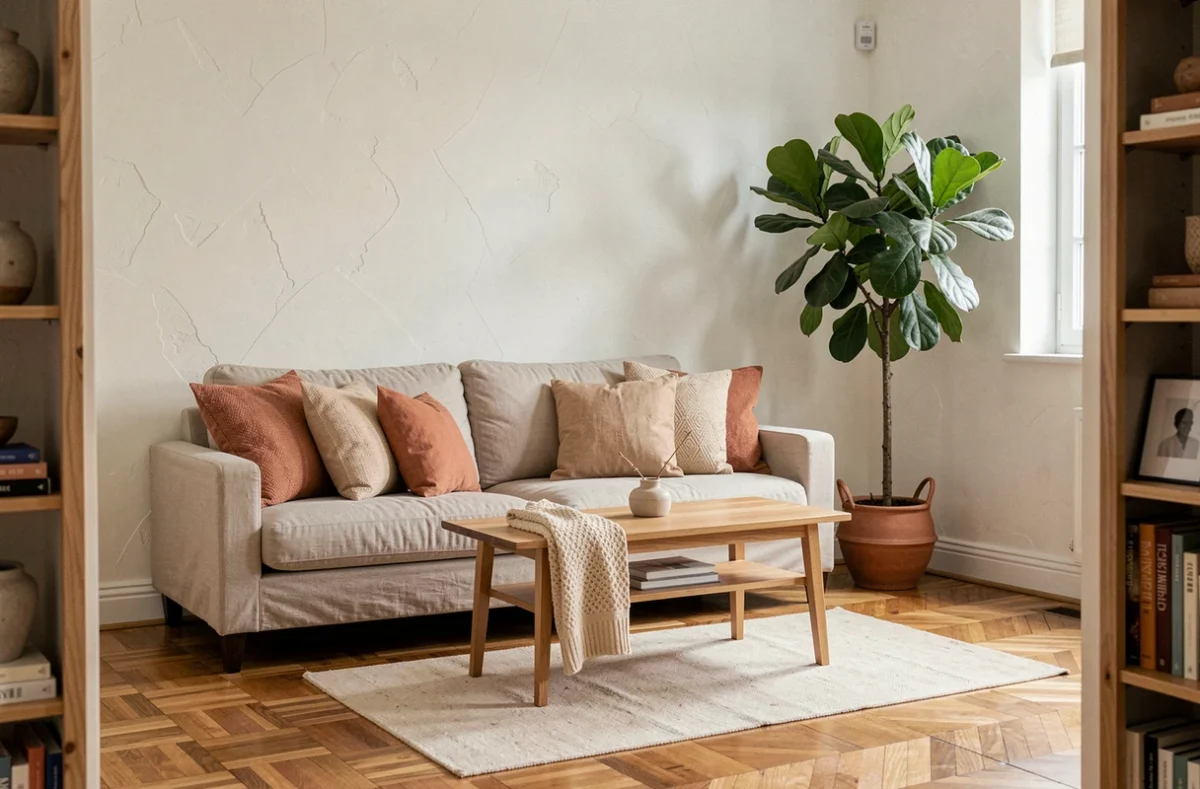
Decorating an interior means balancing technical constraints (floor area, natural light, ventilation) with aesthetic preferences. Since January 1, 2025, homes rated G on the energy performance certificate no longer meet the decency criteria for new rental agreements. This regulatory timeline changes the equation: a decorating project in a rental property should factor in insulation and heating from the design stage, rather than addressing aesthetics as an afterthought.
Paints and wall coverings: what VOC labels don’t tell you
Choosing paint or wall coverings is often the first step in decorating. These products carry a volatile organic compound emissions label, rated from A+ to C. A product rated A+ emits low levels of the pollutants covered by the regulations.
This rating alone does not guarantee good air quality in an actual room. The combined effect of materials depends on the home and its ventilation. Installing A+ vinyl flooring in a bedroom freshly painted with A+ paint, without airing it out properly while it dries, can create a cocktail of compounds that the individual label on each product does not reflect.
Three simple steps can reduce the risks during a major makeover. Articles published in Future au Féminin’s home section cover several of these precautions for different rooms.
- Keep the room ventilated during and after the work for at least 48 hours, even in winter. A simple cross-draft helps residual solvents dissipate faster.
- Avoid using several new products at once (wall paint, floor varnish, wallpaper adhesive) in an enclosed space. It’s better to space out the work by a few days.
- Check that the mechanical ventilation system is working before closing up the room. A clogged or obstructed system negates the benefits of a low-emission product.

Color palettes: creating harmony, room by room
Choosing colors is about more than flipping through a color chart. A room’s natural light, orientation and ceiling height can dramatically change how a shade looks.
A north-facing room gets cool, consistent light. Warm tones (terracotta, ochre, golden beige) offset the coolness without making the space feel darker. By contrast, a south-facing living room can handle bolder shades (deep blue, sage green) because direct sunlight naturally warms them up.
The 60-30-10 rule in practice
This approach allocates 60% of the visual space to a dominant color (walls, floor), 30% to a secondary color (main furniture, curtains) and 10% to an accent color (cushions, accessories, light fixtures). It works because it limits the number of decisions to three choices in a clear hierarchy.
A common mistake is to treat each room in isolation. A white hallway between a green living room and a terracotta bedroom creates a visual break. It’s better to choose a unifying thread—often the dominant color or a recurring material (light wood, brass)—to connect the spaces.
Interior layout and the constraints of your home
An effective layout starts with the constraints, not your wish list. The location of electrical outlets, water connections, radiators and windows determines where large pieces of furniture can go. Working against these constraints can lead to visible extension cords, curtains covering a heater or a sofa blocking a doorway.
Measure every wall and walkway before buying anything to avoid costly returns. An armchair that is 85 cm deep in a living room 3 meters wide leaves barely a meter of walking space, making the room uncomfortable despite a successful aesthetic choice.
Prioritize flow over symmetry
Decorating magazines often show symmetrical rooms, with two matching armchairs facing a centered sofa. In a typical home, easy movement takes priority over visual impact. A clearance of at least 70 cm between pieces of furniture makes it possible to move around without squeezing through.
In small spaces (studio apartments, enclosed kitchens), multifunctional furniture can make a real difference. An extendable table, a bed with built-in storage or a storage bench frees up floor space without sacrificing comfort.
Decorating and energy efficiency: one project, not two
Separating decorating from energy-efficiency upgrades often means doing the same work twice. Replacing wallpaper without treating the damp wall underneath, or laying floating flooring over a poorly insulated slab, produces a short-lived result.
For landlords, the EPC timeline calls for a holistic approach. Combining insulation and decorating cuts labor costs compared with carrying out two separate projects. Insulating a wall from the inside, for example, changes the available depth and therefore affects furniture choices, shelf placement and closet depth.
Heating and the choice of decorating materials
The type of heating also affects material choices. Low-temperature underfloor heating works well beneath tile or stone, but less well beneath thick solid wood flooring, which slows heat transfer. A cast-iron radiator needs enough clearance for air to circulate, which affects how the surrounding furniture is arranged.
Treating decoration as a separate layer from the building itself can lead to frustrating compromises. Bringing it into the technical plans from the outset makes it possible to choose durable finishes that suit the home as it really is, rather than an idealized image found online.
An interior that truly suits its occupants depends less on budget than on how well the decisions made align with the home’s constraints. Every choice of material, color or furniture should be tested against the physical reality of the room, not just an inspiration photo.