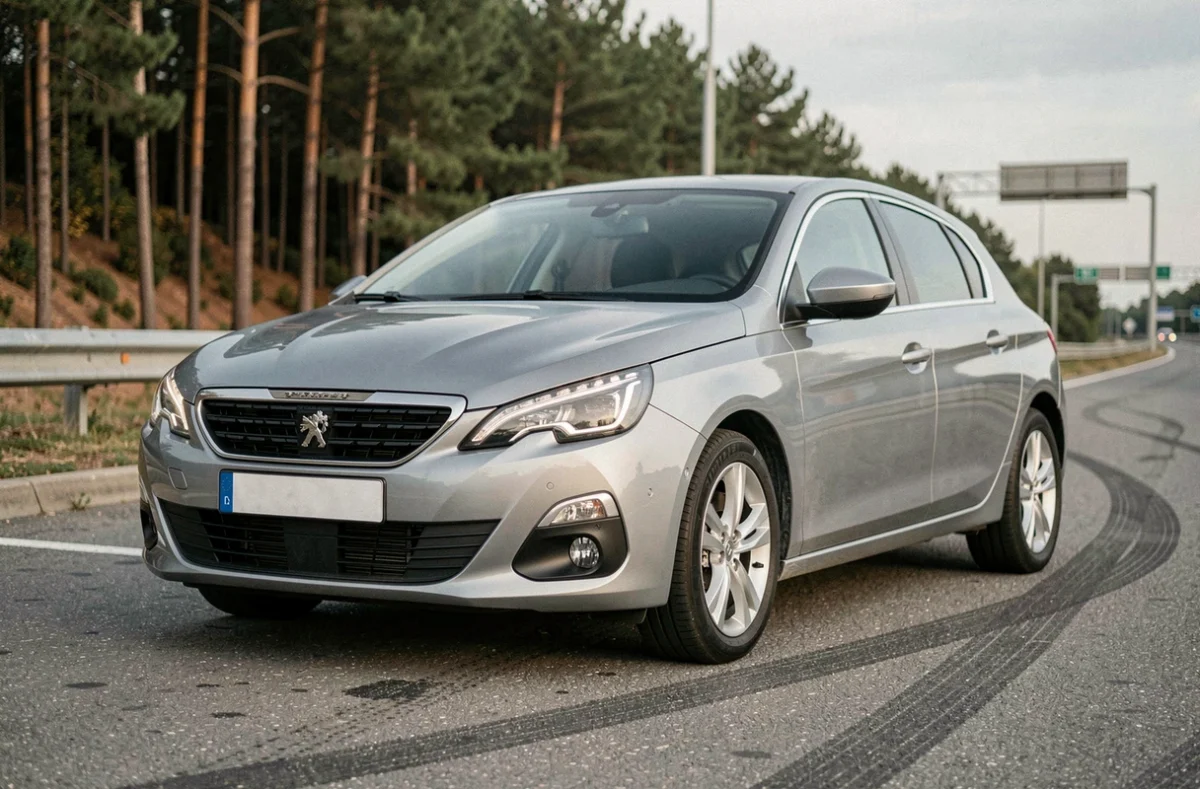
The Peugeot 308 equipped with the 1.5 BlueHDi 130 engine remains a popular choice in 2026 among company fleets and private drivers who cover tens of thousands of kilometres a year. Stellantis’ diesel engine, available with a manual gearbox or the EAT8 automatic, delivers low fuel consumption on motorways and plenty of torque for long journeys.
With years of owner feedback now available, it is possible to take an objective look at its reliability, real-world costs and the issues that tend to emerge at high mileages.
BlueHDi 130 downtime: the real cost for high-mileage drivers
Average fuel consumption often gets all the attention in comparisons. But for a sales representative or driver who covers a lot of kilometres, the more pressing question is: how much does a day without a car cost, and can a replacement vehicle be provided quickly?
Two types of downtime feature repeatedly in reports about the 1.5 BlueHDi. The first involves recall campaigns related to the camshaft timing chain, reported from 2023 onwards for certain production batches. The work takes several hours in the workshop, sometimes a full day depending on how busy the service network is.
The second concerns the AdBlue system: a pump or tank failure can trigger a countdown before the engine is prevented from restarting, and simply topping up the fluid will not fix the problem.
Feedback gathered around reviews of the Peugeot 308 BlueHDi 130 in 2026 shows that these incidents have a greater impact on overall costs than a difference of a few tenths of a litre per 100 kilometres. A travelling professional who loses a day of appointments faces lost income that far outweighs the cost of a tank of fuel.

Checking for outstanding recalls using the VIN before buying a used car or setting off on a long-distance work trip is therefore a habit worth adopting, just like checking the mileage or tyre condition.
1.5 BlueHDi timing chain: build date versus registration date
A misconception is circulating on forums: many owners rely on the model year or registration date to work out whether their engine is affected by the camshaft timing chain update. Available information suggests that the build date and service history are more reliable than the registration document alone.
Two 308s registered in the same year may have different generations of timing chain, depending on when they left the factory. Professionals recommend that you:
- Ask a Peugeot dealer to check the VIN to find out whether the vehicle has already received the update or is eligible for the work
- Review the full service history, including workshop visits outside scheduled servicing, to identify any work carried out on the timing system
- Do not rely on used-car listings that say “timing chain replaced” without dated documentation stamped by an authorised dealer
For high-mileage drivers considering a used car, this check takes just a few minutes and can prevent an unexpected bill at high mileage. The risk is not universal, but failing to check the VIN remains the biggest blind spot in private sales.
AdBlue failure on the diesel 308: a separate issue from the timing chain
The SCR emissions control system, which injects AdBlue into the exhaust, is a reliability concern in its own right on the BlueHDi 130. It should not be confused with the timing chain issue: the two can occur independently.
When the system detects a fault (pump, urea injector or level sensor), a message appears on the dashboard along with a kilometre countdown. Once that limit is reached, the engine will not restart. Adding AdBlue to the tank will not fix a mechanical failure in the system. Workshop repairs are then essential, and waiting times vary depending on parts availability.
High-mileage drivers who mainly travel on motorways put more strain on this emissions control system than urban drivers. The AdBlue warning light should never be ignored or left until the next scheduled service: the remaining driving range is limited and cannot be extended by the engine control unit.
Low-emission zone access in 2026: a Crit’Air sticker is not enough
Anyone choosing the 308 BlueHDi 130 in 2026 should also plan for changes to low-emission zones. The vehicle’s Crit’Air sticker provides an indication, but access rules vary from one city to another and may change during the year.
A sales representative who travels through several urban areas cannot simply check one local regulation. Ban schedules progress at different rates from city to city, and some urban areas impose additional temporary restrictions during periods of high pollution.
- Check the low-emission zone rules for every city you travel through, not just the one where you live or your company is based
- Keep an eye on regulatory updates, as the accepted Crit’Air categories may be tightened from one half-year to the next
- Consider the vehicle’s resale value: wider access restrictions in major cities could accelerate depreciation in the used diesel market
For a high-mileage driver in a diesel 308, the issue is not just whether the car can be driven today, but whether it will remain usable throughout their work area over the next two or three years.
Verdict for high-mileage drivers: reliability, costs and planning ahead
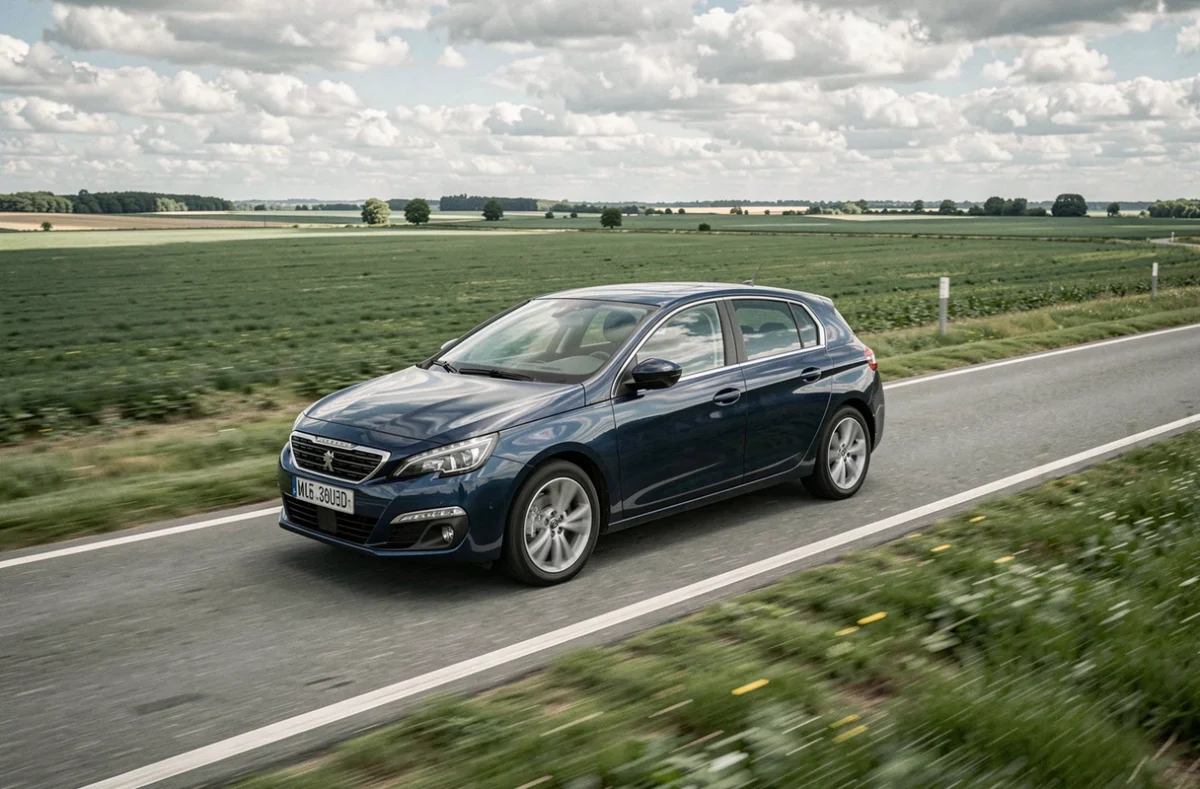
The Peugeot 308’s 1.5 BlueHDi 130 engine still has plenty to offer drivers who cover high mileages: controlled fuel consumption, strong low-rev torque, and a choice of manual or EAT8 automatic gearbox. Feedback after several years of use confirms that the engine delivers on its promises for regular road driving.
The identified weak points (camshaft timing chain, AdBlue system and low-emission zone restrictions) do not point to a widespread design flaw. However, they do call for preventive management that many owners only discover the need for too late. Check the VIN before buying, do not ignore an AdBlue warning light, and map out the low-emission zone restrictions across your usual travel area: these three habits can make the difference between trouble-free driving and being stranded at the worst possible time.