
Have you noticed that your news feed is increasingly mixing nutrition advice, warnings about dietary supplements, and recommendations related to the environment? Natural health is no longer limited to herbal teas and essential oils. Today, it encompasses diet, air quality, sleep, and even the regulations governing products sold in health food stores.
Environmental health: the overlooked link in natural well-being
When we talk about living healthily day to day, we often think about what we eat or how much we exercise. Yet environmental health remains a blind spot for many readers. French public health guidance now brings health, indoor air quality, tap water, housing, and everyday products together in one holistic approach.
Take a practical example: simply getting around by bike. Santé.fr recommends choosing low-traffic routes and segregated cycle paths, and adjusting your journey during periods of high pollution. Physical activity only delivers its full benefits when the air you breathe is clean. Cycling along a boulevard choked with exhaust fumes cancels out some of the cardiovascular benefits you would otherwise expect.
Endocrine disruptors also illustrate the link between the environment and natural health. Found in some packaging, cosmetics, and household products, they are covered in detail on the Santé.fr portal. Following the latest news from Terre Vivante Et Santé helps you stay informed about issues where regulations are regularly changing.

Natural dietary supplements: how French regulations are changing things
Ashwagandha is a good starting point for understanding a principle that is often misunderstood: a natural product is not automatically risk-free. This popular adaptogenic plant, widely used in dietary supplements, was the subject of an ANSES opinion published on April 19, 2024.
In its opinion, the agency recommends that several groups of people avoid supplements containing ashwagandha:
- People with thyroid disorders, as the plant may interfere with thyroid function
- People with liver or heart conditions, for whom safety data remain insufficient
- People taking sedatives, due to the risk of drug interactions
ANSES also highlights the limitations of the available data for assessing the safety of this plant. This is not an isolated case. A supplement’s popularity often outpaces the actual state of scientific knowledge about its long-term effects.
CBD: caught between hype and legal uncertainty
Cannabidiol offers another striking example. According to an article published by Village de la Justice on October 27, 2026, the inspections announced for 2026 focus in particular on foods and supplements containing added CBD. CBD is considered an unauthorized novel food unless and until it receives the required European authorization.
In practice, a CBD dietary supplement sold in a specialist shop could become illegal overnight. Checking a product’s regulatory status before buying it has become just as useful a habit as reading the ingredients list.
Nutrition and healthy eating: separating fads from lasting habits
Food trends come and go so quickly that it can be hard to tell a passing fad from evidence-based advice. A few guidelines can help you make sense of it all without falling into the all-or-nothing trap.
Have you noticed that the most reliable nutrition advice is often the least flashy? Eating seasonal vegetables, varying your sources of protein, and limiting ultra-processed foods—none of these basics are new. Their effectiveness lies precisely in their simplicity and consistency.
What has changed, however, is how we access information. Rating apps such as Yuka have changed shopping habits by making criteria once reserved for specialists visible to everyone (additives, degree of processing, nutritional quality). Food transparency is advancing through digital tools, not a new diet.
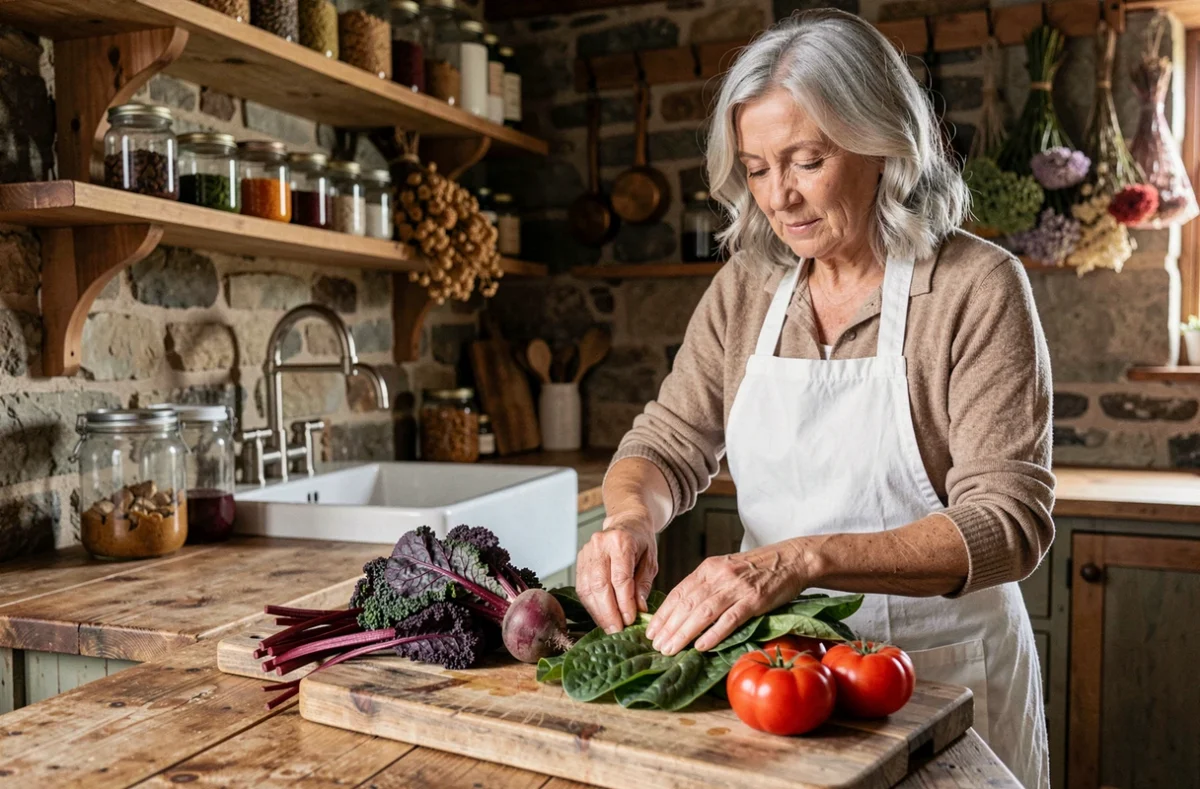
Sleep and stress: two underestimated pillars of natural health
Diet gets most of the attention, but sleep and stress management affect how the body absorbs nutrients and repairs itself. A balanced meal followed by five hours of sleep does not have the same effects as one followed by seven or eight hours of rest.
The link between chronic stress and inflammation has been documented for a long time. Natural approaches—such as heart coherence breathing, regular physical activity, and morning exposure to natural light—address both factors at once. None requires a special purchase, which may explain why they receive less media attention than the latest trendy supplement.
Natural health news: how to identify reliable information
With so many articles about natural health published every day, a few simple habits can help you quickly assess whether a source is reliable:
- Check whether the article cites a clearly identified institution (ANSES, Santé publique France) rather than saying “studies show that”
- Be wary of headlines promising spectacular results from a single food or practice
- Cross-check the information against at least one institutional source or reputable media outlet
- Distinguish an individual testimonial from data validated across a large sample
Reliable natural health information cites its sources and acknowledges its limitations. An article that presents a supplement as a miracle solution without mentioning any contraindications should be treated with caution.
Natural products, healthy eating, and physical activity form a coherent whole, provided they are not separated from their regulatory and environmental context. The next time you read an article praising the benefits of a plant or superfood, check its status in France first. The best health habit is still to cross-check your sources before taking action.