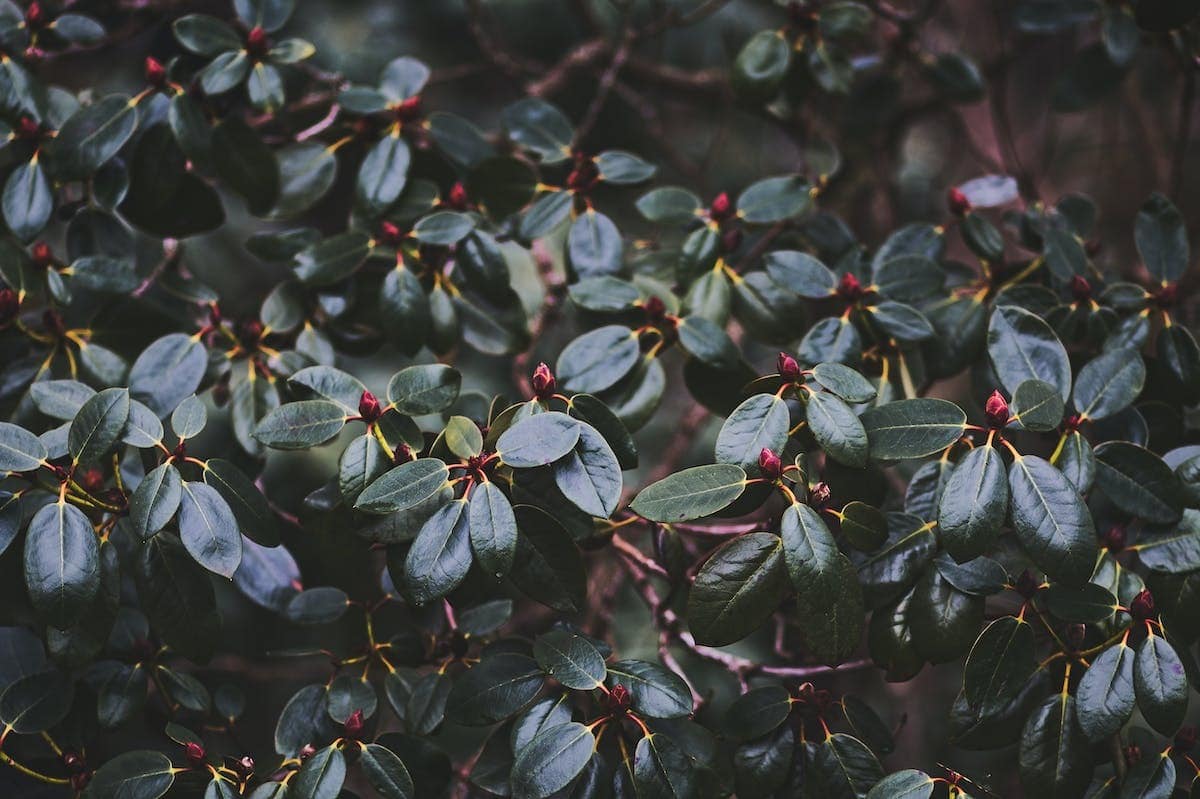
Winter is a harsh and complex season for our plant companions, especially for rhododendrons, those colorful flowering shrubs that brighten our gardens during the sunny days. It is during this cold period that their care needs increase, allowing them to survive and bloom again in spring. Keeping these beauties healthy during the frost months requires specific techniques. These methods must be used to ensure their protection and continued growth. Here is a guide to help all gardening enthusiasts take care of their rhododendrons during winter.
Preparing Your Garden Before Winter: Practical Tips
The physical protection of the ‘winter rhododendron’ is an essential phase to ensure its longevity during the cold months. As soon as the first frosts appear, it is crucial to implement certain strategies to safeguard the vitality of this attractive shrub.
A key technique is to wrap your ‘winter rhododendron’ with a winter cover or a specific insulating cloth. These elements will help retain heat and protect the bush from icy winds that could dry out its delicate leaves. Additionally, they prevent the weight of snow from weakening the branches of the rhododendron during this harsh season.
Mulching at the base of your shrub can also prove very effective when it comes to the ‘winter rhododendron’. Indeed, this not only helps maintain moisture in the soil but also creates a protective barrier against the biting cold that could reach the roots.
In regions where winter often drops below zero, additional measures are necessary. Building a shelter around the ‘winter rhododendron’ could be considered • it acts like a cold greenhouse, thus maintaining a constant temperature around the shrub.
As winter gradually dissipates, make sure to give full attention to post-winter care. It would be wise, for example, to remove any additional debris used during this period so that it does not suffocate your plant and gives it enough space to breathe fully.
Each variety has its own specific needs, so it is always advisable to inquire about the ‘winter rhododendron’. For tailored advice suited to your local climate and your particular type of rhodo, consult an expert or visit a nursery near you.
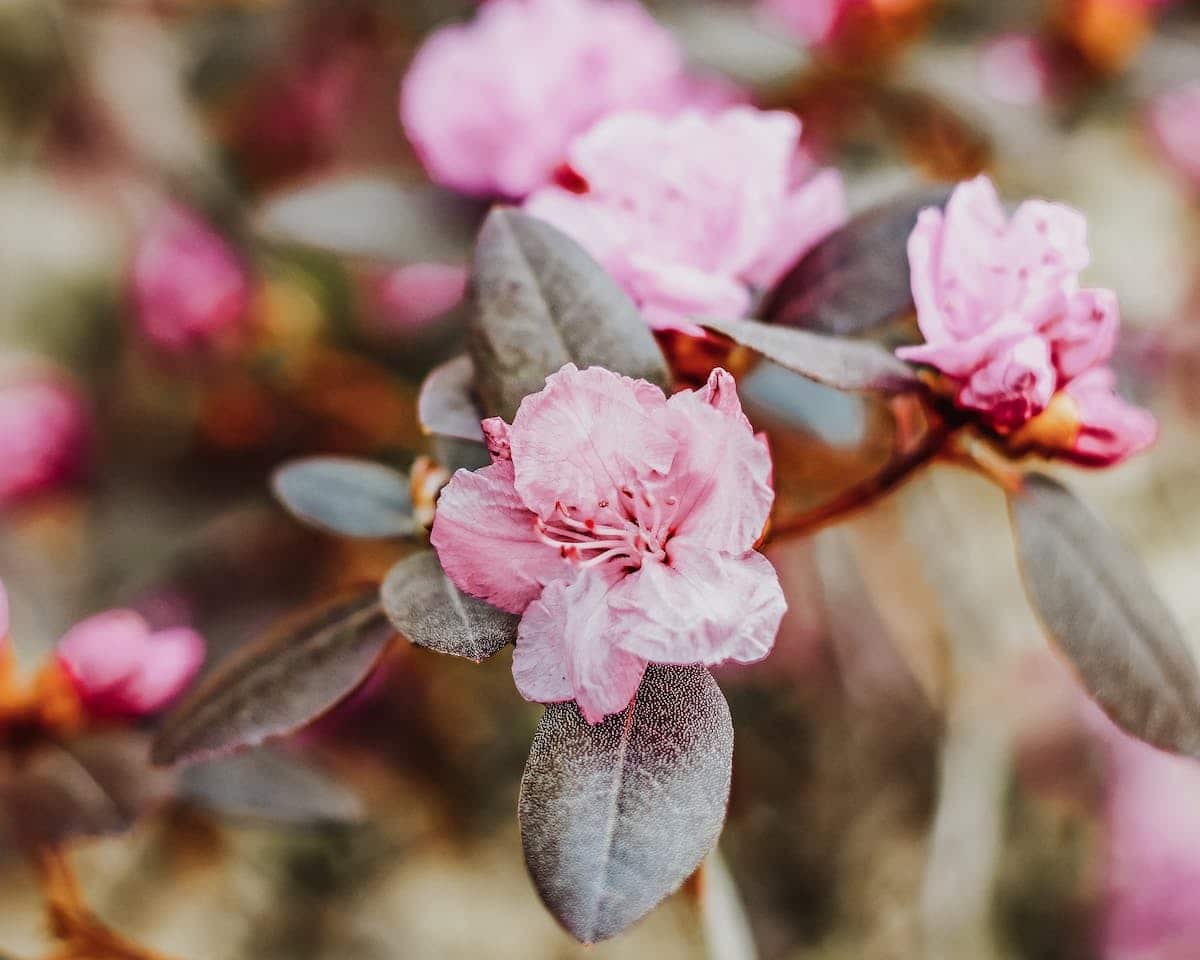
Protecting Your Rhododendron: Tips for Good Physical Protection
Protection against extreme temperatures is crucial to ensure the survival of your rhododendron during the winter season. Intense frosts and cold winds can cause significant damage to this delicate shrub, but there are measures you can take to minimize these risks.
An effective method is to use insulating materials such as specially designed canvas or plastic covers. By carefully wrapping the rhododendron with these protections, you will create a barrier that traps warm air around the shrub, thus protecting it from the intense cold. However, be sure not to wrap the materials too tightly to allow for good air circulation.
Another way to protect your rhododendron from extreme temperatures is to use a supplemental heating system. Infrared lamps or heating cables placed strategically near the bush can maintain a constant temperature that prevents the freezing of delicate leaves and branches. However, be sure to use these devices with caution and follow the manufacturer’s instructions closely to avoid any fire or overheating risks.
In addition to these physical techniques, it is important to provide the rhododendron with enough water during winter.
Fighting Extreme Cold: Precautions to Preserve Your Garden
Post-winter maintenance is just as crucial as the protection measures taken during the cold season. Once the frost has passed, it is time to take certain actions to ensure a healthy and vigorous recovery of the rhododendron.
Be sure to inspect the plant carefully. Check if any branches have been damaged by the cold or if there are signs indicating a deterioration of its overall condition. If you spot affected areas, consider performing a gentle pruning to promote healthy and balanced growth of the rhododendron.
Alongside this, an adequate nutritional supply will be beneficial to strengthen the plant’s immune system and stimulate its vitality after the rigors of winter. An organic fertilizer rich in trace elements specially formulated for acid-loving plants will be ideal in this specific case. However, be sure to strictly adhere to the recommended doses by the manufacturer to avoid any harmful over-fertilization of your shrub.
Also, ensure to water your rhododendron well during this sensitive period. Although it may seem counterintuitive given the return of milder temperatures, winter may have caused a water deficit in the soil that needs to be filled now to allow the rhododendron to regain its optimal hydrological balance.
Particular attention should also be paid to disease and pest management. The rhododendron can be susceptible to various pests such as aphids, thrips, or spider mites. A preventive treatment with an appropriate insecticide will help limit their presence and avoid any consequential damage.
It is important to mention that a regular follow-up is necessary throughout the year to maintain the health of the rhododendron. Targeted interventions will be needed based on the specific needs of your plant (adding mineral amendments, selective weeding, etc.). Post-winter maintenance is a crucial step in caring for your rhododendron so that it can fully thrive in the following seasons.
Post-Winter Care: Key Steps to Get Your Garden Back in Shape
In this section, we will explore the recommended methods for preventing and treating common diseases that can affect your precious rhododendron.
It is important to keep a vigilant eye on signals indicating the presence of diseases. Symptoms such as leaf spots, leaf deformities, or abnormal wilting should be taken seriously. They may be the result of various fungal or bacterial pathogens.
To combat these issues, strict hygiene is essential. Be sure to remove all dead and infected leaves that have fallen to the ground around the rhododendron. This simple gesture will significantly reduce the risk of infection by eliminating the potential source of inoculum.
In addition to this preventive measure, the use of a systemic fungicide can be beneficial in controlling certain types of fungal diseases such as rust or powdery mildew. Applied regularly according to the specific instructions of the chosen product, this treatment will strengthen the natural resistance of the rhododendron against microbial attacks.
It should be emphasized that each type of disease requires a particular approach in terms of prevention and treatment. Therefore, it is wise to accurately identify the problem before any intervention to select the appropriate treatment: a precise diagnosis will allow for targeted and effective action.
Beyond diseases, your rhododendron may be targeted by a variety of pests such as caterpillars, slugs, or snails. To prevent their unwanted presence, the use of environmentally friendly biological insecticides is recommended. The establishment of physical barriers such as protective nets can also prove effective in preventing these nuisances from reaching your shrub.
It should be noted that a well-balanced soil will have a significant impact on the overall health of the rhododendron. Therefore, be sure to maintain an adequate (acidic) pH as well as a good soil structure that promotes drainage while retaining enough moisture.
Protecting your rhododendron during the winter season requires a combination of preventive and curative measures tailored to the specific needs of this delicate plant. By implementing these recommended techniques, you will ensure maximum protection against extreme conditions while guaranteeing the continued prosperity of your beautiful rhododendron throughout the seasons.