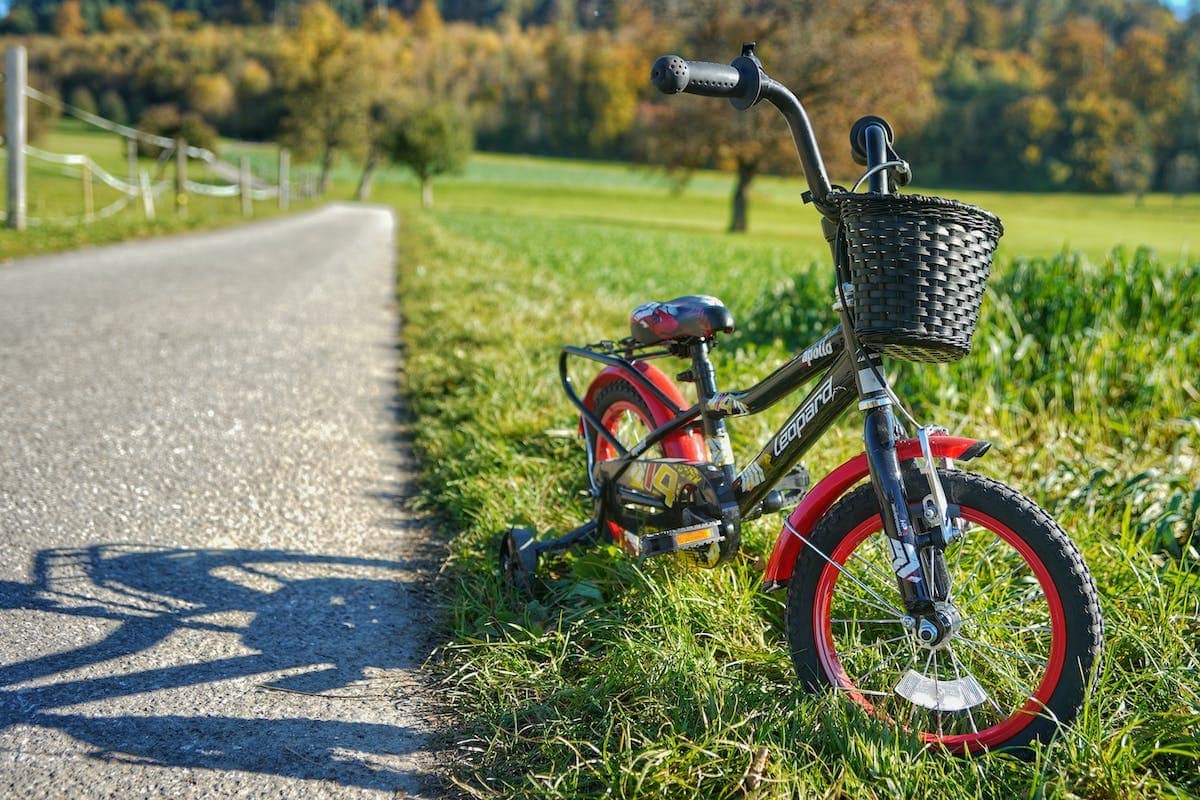
Learning to ride a balance bike is a key moment in children’s development. This skill, which combines motor coordination and balance, can be introduced at different ages. However, the optimal time to start this initiation raises many debates among parents and child development experts. Some advocate for early learning, as soon as the child can walk confidently, while others suggest waiting until the child is older and more capable of understanding safety rules. This debate raises important questions about child development, motor skills, and safety.
The Benefits of Early Learning on Balance Bikes
In the world of children’s cycling, the question of the appropriate age to start using a balance bike is often raised by parents. It is not simply a defined age but rather a ‘balance bike age’, a combination of factors that indicates when a child may be ready to ride their first two-wheeler.
Generally, parents are advised to introduce their offspring to balance bikes around the age of 3 or 4. It is around this age that most children have developed enough motor coordination to pedal while maintaining their balance. Nevertheless, each little cyclist is unique, and some may demonstrate proficiency earlier while others may need a few more years.
But beyond these physical considerations, there are also cognitive aspects that play a crucial role in the concept of ‘balance bike age’. Children must also have acquired a certain level of understanding so they can follow basic rules like staying on the sidewalk or wearing a helmet.
Safety should always be a priority when it comes to this type of sporting learning. The mandatory wearing of a helmet as well as knee and elbow pads should be an integral part of the process from the very beginning.
The chosen location for this initiation will also greatly impact the overall experience gained with the ‘balance bike age’. A quiet place with little road traffic will be ideal as it will allow young novice cyclists to learn peacefully without facing unnecessary external pressure or imminent danger.
Ultimately, navigating around this concept of ‘balance bike age’ involves not only considering the individual physical and mental development of each child but also ensuring that all necessary conditions are met so they can embark on this new phase with confidence and enjoyment.
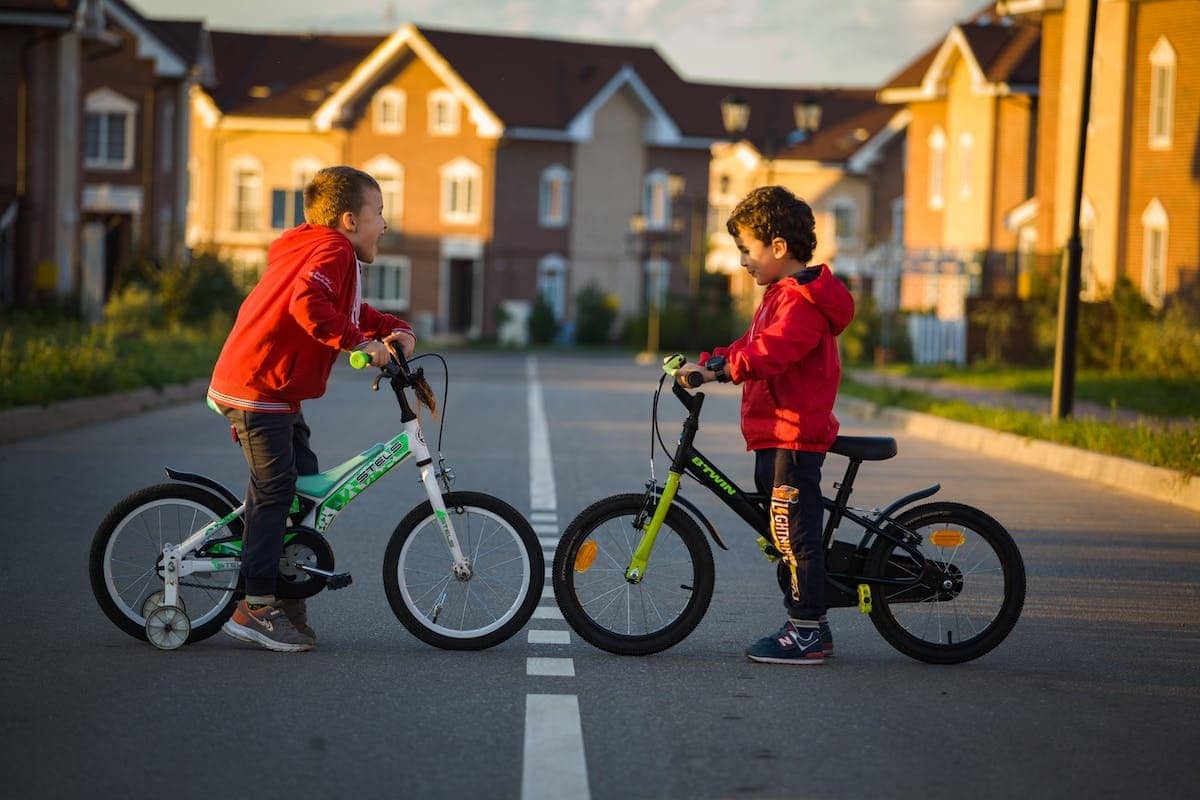
Essential Motor Skills for Starting Balance Bikes
The motor skills necessary for learning to ride a balance bike are essential to ensure a safe and enjoyable experience. Before getting on a bike, children must first master certain fundamental skills.
The first of these skills is balance. Children must be able to maintain their balance while pedaling. This requires precise coordination between their lower limbs and their body as a whole. To help young cyclists develop this skill, simple exercises can be performed, such as walking in a straight line or playing balance games.
There is also hand-eye coordination. This ability is crucial for properly steering the bike, using the handlebars to turn or stop when necessary. Games like catching a ball or accurately aiming at an object can help improve this important coordination.
The Advantages of Early Learning on Balance Bikes
The advantages of starting balance bike learning at a young age are numerous and significant. It allows children to develop their self-confidence. By learning to master a physical activity like biking, they gradually gain positive self-esteem and strengthen their sense of autonomy.
Early learning on balance bikes promotes the development of physical skills. The leg muscles strengthen as children pedal and gain endurance. Their motor coordination also improves thanks to the synchronized movements required to maintain balance while steering the handlebars.
Learning to ride a bike also stimulates children’s cognitive abilities. They must constantly assess their environment, make quick decisions about which direction to take, and anticipate potential obstacles in their path. This leads to enhanced cognitive development as well as improved concentration and attention span.
Practicing biking from a young age encourages an active lifestyle in children. Instead of spending their free time in front of screens or engaging in sedentary activities, they are encouraged to go outside, explore their surroundings, and enjoy the benefits of regular physical activity.
It is important to note that every child is different and that their learning pace should be respected. Some children may be ready to start as early as 3 or 4 years old, while others may need to wait a little longer before feeling comfortable on a balance bike.
The benefits of starting balance bike learning early are many. Improved motor skills, enhanced self-confidence, increased cognitive ability, and an active lifestyle are all reasons to encourage our young children to discover the joy of biking from an early age.
Determining the Best Age to Learn Balance Bikes: Factors to Consider
When it comes to determining the best age to introduce children to balance bikes, it is important to consider several factors. Consider the physical development of the child. Children must be able to maintain their balance and coordinate their movements before they can start using a balance bike.
In general, most children reach these capabilities around the age of 3 or 4. It is important to note that each child develops at their own pace, and they should not be rushed through this important stage.
Another key factor to consider is the emotional maturity of the child. Learning to ride a bike requires patience, perseverance, and acceptance of mistakes. Some children may be more willing to face these challenges than others. It is important to assess the emotional skills needed to approach this new experience.
At the same time, consider the level of interest shown by the child in balance bikes.
Effective Methods for Teaching Balance Bikes to Children
When it comes to teaching children to ride balance bikes, there are several effective methods that can facilitate their learning. Here are some helpful tips to guide your children in this cycling adventure.
Start with the basics of balance. Before even getting on a balance bike, encourage your child to develop their balance skills by walking in a straight line or playing balance games like walking on a low beam. This preparatory step will help them familiarize themselves with the sensations needed to maintain their balance while moving.
Ensure that the bike is suitable for your child’s size and skill level. A bike that is too big or too small can make learning difficult or even dangerous. Opt for a model with removable stabilizers so that your child can gradually learn to manage their balance without external assistance.
Once your child is ready, choose a safe and spacious place where they can learn safely.
Safety First: Precautions When Learning Balance Bikes for Children
It is essential to take certain precautions to ensure your child’s safety during balance bike learning. Equip them with a quality helmet that will protect their head in case of a fall. Make sure the helmet fits well and covers the forehead and temples properly.
Dress your child in appropriate clothing for biking. Long pants or leggings can protect their legs while riding their two-wheeler. Also, add closed shoes to ensure better stability at the feet.
During the initial sessions, choose a clear and traffic-free area where your child can practice peacefully. An empty bike path or a little-used parking lot are ideal options. Avoid crowded areas as much as possible where they might feel intimidated by the presence of other users.
Before each session, carefully check the condition of the balance bike. Ensure that all components are securely attached and functional: brakes, pedals, handlebars… Teach your child some basic maintenance concepts like lubricating the chain or properly inflating the tires.
During the actual learning process, constantly encourage your child while remaining vigilant about their safety. Stay close to them so you can react quickly if needed. Encourage them to keep their eyes straight ahead and anticipate potential obstacles.
Remind them of the basic traffic rules: obeying traffic lights, using signals to indicate their intentions, regularly checking blind spots… Instill good habits from the start that will ensure their safety in all future biking experiences.
By following these precautions, you will ensure that learning to ride a balance bike remains a positive and safe experience for your child. Encourage them in this new adventure while instilling the essential values of responsible cycling practice.